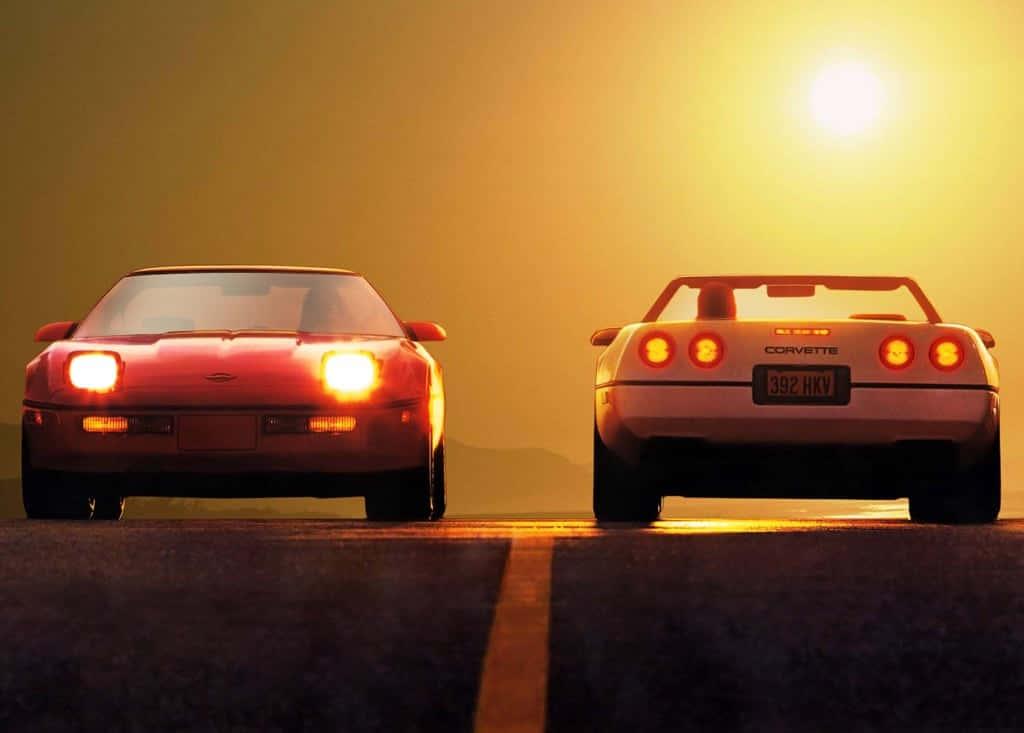
American performance cars from the 1980s and 1990s are attracting renewed attention from automotive enthusiasts and collectors. Vehicles that were once considered affordable used performance cars are increasingly being recognized for their historical significance, distinctive engineering, and connection to an important period in American automotive development. From Fox Body Mustangs to Buick Grand Nationals and fourth-generation Corvettes, these vehicles represent a generation of performance machines that is becoming increasingly desirable.
For many enthusiasts, these cars represent something different from today’s highly computerized performance vehicles. They combine recognizable mechanical components, distinctive styling, powerful engines, and driving characteristics that reflect the technology of their time. Some offer turbocharged power, while others rely on naturally aspirated V8 engines and traditional rear-wheel-drive layouts.
The renewed interest is also connected to changing collector preferences. Buyers who grew up during the 1980s and 1990s are now entering stages of life where they can pursue vehicles they admired when they were younger. Meanwhile, younger enthusiasts are discovering these models through automotive events, restoration projects, motorsports, and online communities.
According to Hagerty’s collector market research, its RADindex, which tracks enthusiast vehicles from the 1980s and 1990s, recorded a recent quarterly increase of 6%, its strongest quarterly gain in four years. However, individual models continue to perform differently, making condition, rarity, originality, and documentation important considerations.
This changing interest creates an opportunity to revisit some of America’s most memorable performance cars and understand why they are becoming important parts of modern automotive collecting.
Why Collectors Are Looking Beyond Traditional Classic Cars
 For decades, the collector car market was strongly associated with vehicles from the 1950s, 1960s, and early 1970s. Classic Mustangs, first-generation Camaros, and vintage Corvettes became recognizable symbols of American automotive history. However, the definition of a collectible car has continued to expand.
Vehicles from the 1980s and 1990s are now gaining recognition because they represent a different period of automotive development. These decades introduced significant improvements in fuel injection, electronic engine management, turbocharging, aerodynamics, suspension design, and vehicle safety.
They also produced some memorable performance models that were not necessarily appreciated when new. Several vehicles that once competed against more expensive European sports cars are now being reconsidered by collectors who recognize their engineering and cultural significance.
Another important factor is nostalgia. Enthusiasts who grew up seeing these vehicles in magazines, television programs, racing events, and neighborhood garages are now interested in owning them. Their appeal is not limited to investment potential. Many buyers simply want to experience the cars they admired growing up.
SEMA has also documented renewed enthusiasm for vehicles from this period, particularly Fox Body Mustangs and other platforms receiving attention through restoration, restomod projects, and motorsports participation. Read the SEMA report on the Fox Body Mustang comeback for more information.
The Fox Body Mustang Is Finding a New Audience
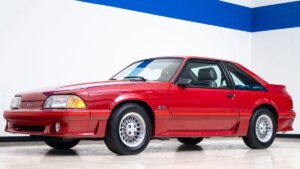
The third-generation Ford Mustang, commonly known as the Fox Body, is one of the most recognizable American performance cars from the 1980s and early 1990s. Produced from 1979 through 1993, this generation helped restore the Mustang’s performance reputation during a period when American automakers were adjusting to changing fuel economy requirements and consumer expectations.
The introduction of the 5.0-liter V8 Mustang GT helped establish the Fox Body as a favorite among enthusiasts. Its relatively lightweight platform, straightforward mechanical design, and extensive aftermarket support made it popular with street performance enthusiasts and drag racers.

Its popularity continues because the platform offers several ownership possibilities. Some collectors prefer original examples with factory components and documented histories. Others enjoy building modified versions with upgraded suspension, modern braking systems, improved engines, and contemporary interior features.
However, originality is becoming an increasingly important consideration. Vehicles that retain their factory specifications, original components, and documented maintenance histories can attract attention from buyers who prefer preserved examples over heavily modified cars.
The Fox Body Mustang also benefits from a strong enthusiast community. Parts availability, restoration knowledge, specialty shops, and aftermarket manufacturers make it easier to maintain and customize these vehicles compared with some less common performance models.
For readers interested in the broader Mustang story, our article on The Evolution of American Muscle: From Classic Legends to Modern Beasts explores how American performance cars developed through different generations.
The Buick GNX and the Appeal of Limited Production
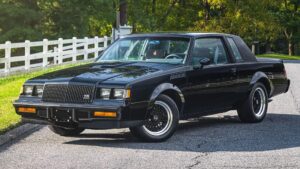
The 1987 Buick GNX is another example of an American performance car that has become highly recognizable among collectors. Developed as an exceptionally powerful version of the Buick Regal Grand National, the GNX combined understated styling with a turbocharged 3.8-liter V6 engine.
Its black exterior, distinctive wheels, aggressive stance, and sleeper appearance made it different from traditional V8 muscle cars. Instead of relying on a large-displacement V8, Buick demonstrated how turbocharging could deliver impressive performance from a smaller engine.

Production was limited to 547 examples, contributing to the model’s rarity and collector appeal. The GNX has become one of the most recognizable American performance cars of its generation, particularly among enthusiasts interested in unusual factory performance combinations.
Its recent collector-market attention also illustrates how rarity and historical significance can influence demand. Hagerty’s RADindex reporting identified the Buick GNX as one of the strongest-performing models in its recent market update.
Nevertheless, limited production does not automatically guarantee appreciation. Condition, originality, documentation, previous repairs, and actual market demand remain important when evaluating any collectible vehicle.
The Chevrolet Corvette Continues to Represent American Innovation
The Chevrolet Corvette played an important role in American performance during the 1980s and 1990s. The C4 generation, introduced for the 1984 model year, brought a more modern design and significant engineering changes to the long-running sports car nameplate.
Its low-profile body, digital instrumentation in early models, improved chassis design, and performance-oriented engine options helped distinguish it from earlier generations. The Corvette also continued to evolve throughout its production period, receiving improvements to its powertrain, suspension, and overall driving characteristics.
The introduction of the ZR-1 in 1990 made the C4 generation even more significant. Developed with assistance from Lotus, the ZR-1 featured the LT5 5.7-liter V8 engine, giving the Corvette a distinctive place in the history of American high-performance engineering.
The fourth-generation Corvette demonstrates why some modern classics deserve attention. It represents a period when American manufacturers were increasingly focused on competing with international sports cars through advanced engineering rather than relying exclusively on engine displacement.
For enthusiasts who want to follow the Corvette’s continuing development, explore our coverage of American sports cars and modern performance models.
The Dodge Viper: A Different Kind of American Performance
The Dodge Viper introduced in 1992 brought an entirely different approach to American sports car design. Its long hood, aggressive proportions, wide body, and naturally aspirated V10 engine created a vehicle that stood apart from many other performance cars of its generation.
Unlike vehicles designed primarily around everyday convenience, the early Viper emphasized a direct and demanding driving experience. Its powerful engine, rear-wheel-drive configuration, and relatively limited electronic intervention helped establish its reputation as an enthusiast-focused performance machine.
The Viper also became an important part of American motorsports history. Later generations received improvements in chassis engineering, braking, handling, and overall refinement, but the model retained its distinctive V10 character.
For collectors, the original-generation Viper represents an important moment in American sports car development. Its unusual engine configuration and recognizable design give it a personality that is difficult to confuse with other vehicles.
Originality, Condition, and Documentation Matter More Than Ever
As interest in modern classics grows, buyers are becoming more selective about the condition and history of individual vehicles. Two examples of the same model can have significantly different levels of desirability depending on how they were maintained, modified, and preserved.
Original paint, factory components, matching documentation, service records, and verifiable ownership history can all influence a collector’s decision. A well-preserved vehicle with relatively low mileage may attract different buyers from a heavily modified example built primarily for performance driving.
Restored vehicles can also be attractive, especially when the work has been completed professionally and supported by detailed records. However, restoration quality matters. Poor workmanship, incorrect replacement components, and undocumented modifications can reduce buyer confidence.
Before purchasing a modern classic, enthusiasts should consider arranging an independent inspection. Checking the engine, transmission, suspension, brakes, electrical systems, underbody, and previous accident repairs can help identify potential problems.
Why Younger Enthusiasts Are Discovering Modern Classics
 Another reason for the growing popularity of 1980s and 1990s performance cars is the changing age profile of automotive enthusiasts. Younger collectors are increasingly interested in vehicles that were popular during their childhood or teenage years.
These cars also offer a different ownership experience from many newer performance vehicles. Their mechanical layouts, styling, controls, and engine characteristics reflect a period when digital technology was less integrated into everyday driving.
Online communities, restoration videos, enthusiast forums, and automotive events have made it easier for new collectors to learn about these models. Owners can research production details, locate replacement components, compare restoration techniques, and connect with specialists.
The growing interest is not restricted to one manufacturer. Ford, Chevrolet, Buick, Pontiac, and Dodge all produced memorable performance vehicles during these decades, giving enthusiasts a wide range of choices.
Are 1980s and 1990s American Performance Cars Worth Collecting?
There is no single answer because collectibility depends on the individual vehicle and the buyer’s priorities. Some models have strong historical importance, while others appeal because of their design, production numbers, performance specifications, or enthusiast communities.
Potential buyers should research recent completed sales rather than relying entirely on advertised asking prices. Auction results, specialist valuation resources, and condition reports provide a more realistic picture of market demand.
It is also important to remember that collectible vehicles involve ongoing ownership costs. Insurance, storage, maintenance, repairs, replacement parts, and restoration work can become expensive. A car that appears affordable at purchase may require substantial additional spending to remain in good condition.
For anyone considering a purchase, our guide on How to Choose the Perfect American Sports Car for Your Budget provides additional considerations when comparing performance vehicles and ownership costs.
Collectibility Does Not Guarantee Investment Returns
Although some 1980s and 1990s performance cars have experienced stronger market interest, buyers should avoid assuming that every vehicle from this period will increase in value. Automotive markets change, and individual models can experience very different results.
The best approach is to purchase a vehicle because its history, engineering, and driving experience genuinely appeal to you. Any future increase in value should be considered a possible benefit rather than a guaranteed financial outcome.
The Future of American Modern Classics
American performance cars from the 1980s and 1990s are becoming an increasingly important part of automotive collecting. They represent a generation of engineering that combined traditional V8 performance with emerging technologies, distinctive styling, and a growing motorsports influence.
The Fox Body Mustang, Buick GNX, C4 Corvette, and Dodge Viper each demonstrate a different side of this period. Their histories, mechanical characteristics, and enthusiast communities continue to attract attention from collectors across different generations.
As the collector market evolves, these vehicles may receive even greater recognition for their contribution to American automotive history. However, originality, condition, documentation, and genuine enthusiast demand will continue to separate desirable examples from ordinary used performance cars.
Ultimately, the appeal of these modern classics goes beyond market prices. They remind enthusiasts of a period when American manufacturers experimented with new engineering approaches while maintaining the performance character that made their vehicles memorable. For collectors and driving enthusiasts alike, these cars offer an opportunity to experience an important chapter in the evolution of American sports cars.
To explore more stories about American performance heritage and modern vehicles, visit American Sports Cars.