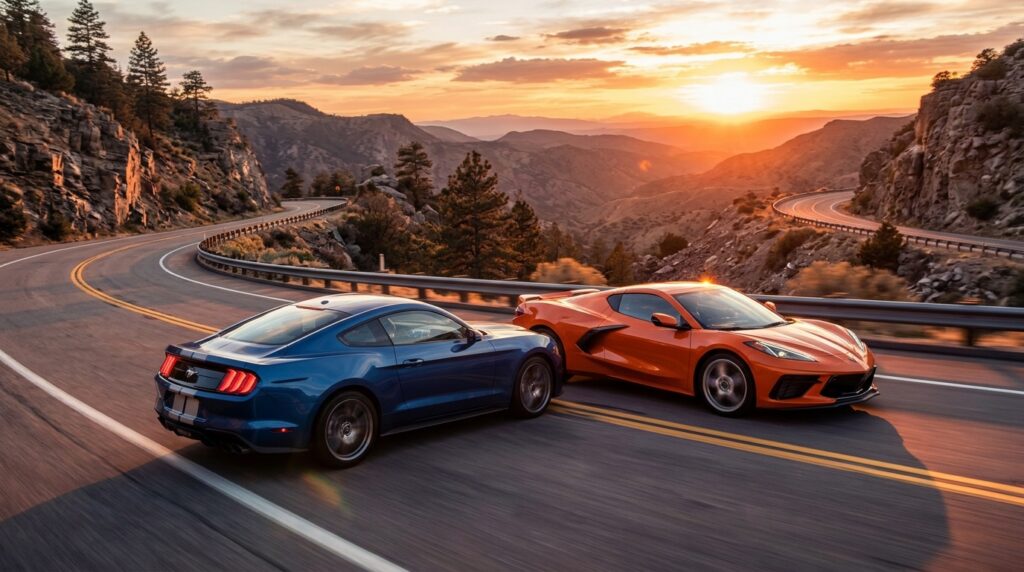
For much of the past two decades, the American automotive market appeared to be moving away from traditional performance cars. Crossovers and SUVs became increasingly dominant, while many coupes, sedans, and enthusiast-focused models disappeared from manufacturer lineups. That shift made the survival of American performance coupes increasingly important to driving enthusiasts.
Now, however, there are signs that interest in performance-oriented cars may be changing again. The Ford Mustang continues to attract buyers, manufacturers are investing in motorsports, and the specialty aftermarket remains significant. According to SEMA’s 2026 market research, the specialty sports-car aftermarket is valued at approximately $2.97 billion, while 24% of sports-car owners modify their vehicles. SEMA also identified performance-oriented cars as a segment that could be positioned for renewed investment. SEMA’s 2026 performance-car market research provides additional context.
The signs do not necessarily mean that traditional coupes are about to replace SUVs or crossovers. Instead, they suggest that the performance-car market may be finding a new balance. Enthusiasts still want practical transportation, but there remains a strong audience for vehicles built around driving enjoyment, distinctive styling, and performance.
That makes 2026 an interesting year for American sports cars. The question is no longer simply whether performance coupes can survive. It is whether changing consumer interest could give them a stronger position in the market again.
Why Performance Coupes Are Getting Attention Again
 One of the clearest signs is continued interest in the Ford Mustang. The Mustang remains one of the most recognizable American performance cars, and SEMA reported that Mustang sales increased 22% in the second quarter of 2026. That matters because the Mustang represents a traditional performance-coupe formula at a time when many other two-door models have disappeared.
The modern Mustang also demonstrates that performance coupes do not necessarily have to remain simple or old-fashioned. Today’s Mustang combines V8 power with advanced electronics, sophisticated suspension systems, digital displays, driver-assistance technology, and multiple performance configurations.
This combination allows the car to appeal to different generations of enthusiasts. A buyer can appreciate the Mustang’s traditional V8 character while also expecting the technology and convenience of a modern vehicle.
That evolution is very different from simply preserving an old muscle-car formula. The modern American performance coupe has become a more sophisticated product while maintaining the character that made these cars popular in the first place.
The Mustang Is More Than a Nostalgia Product
The Mustang’s continued relevance is important because it demonstrates that performance coupes can attract buyers without depending entirely on nostalgia. The current generation offers multiple versions designed for different types of drivers, from people looking for an everyday performance car to enthusiasts seeking significantly higher levels of track capability.
The recently introduced Dark Horse SC pushes that philosophy even further. With a supercharged V8 and extensive performance hardware, it demonstrates that Ford is still willing to develop an extremely serious combustion-powered performance coupe.
That development is particularly interesting in 2026 because the automotive industry is simultaneously moving toward electrification. The existence of highly powerful combustion-powered American coupes alongside electric and hybrid performance cars creates a much more diverse performance market.
Readers interested in that evolution can also explore 2026 Ford Mustang Dark Horse SC: What Makes It Different?.
Performance Cars Are Becoming More Technologically Advanced
Another reason performance coupes may remain relevant is the amount of technology manufacturers can now integrate into relatively compact vehicles. Modern chassis-control systems can continuously adjust suspension behavior, while sophisticated traction systems help drivers manage power more effectively.
A modern performance coupe can therefore deliver a very different experience from the muscle cars of previous generations. The driver still receives the sound and response of a powerful engine, but the vehicle can also provide sophisticated electronic assistance and chassis control.
This technology helps manufacturers make high-performance vehicles more accessible. A driver does not necessarily need decades of experience to understand how a modern performance car behaves. Electronic systems can help maintain stability and traction while still allowing experienced drivers to explore the vehicle’s capabilities in appropriate environments.
That does not eliminate the importance of driver skill. Instead, technology changes the relationship between the driver and the machine. This is one reason modern American sports cars can compete with performance vehicles from around the world.
The Aftermarket Is Part of the Story
Factory performance is only one part of the American performance-car market. The aftermarket has always been an important part of American automotive culture, and current research suggests that enthusiasts remain willing to spend money modifying their vehicles.
SEMA’s 2026 research estimates that 24% of specialty sports-car owners modify their vehicles. That includes upgrades involving wheels, tires, suspension, exhaust systems, appearance, engine performance, and other components.
This aftermarket ecosystem gives performance coupes another advantage. Owners are not limited to the configuration they purchase from a manufacturer. They can gradually personalize their cars according to their interests and driving habits.
One owner might focus on appearance, while another might build a car for track events. Someone else might prioritize suspension and braking improvements for mountain-road driving. This flexibility creates an enthusiast community around the vehicle rather than treating the car as a finished product.
For those interested in performance modifications, How to Build the Perfect Track Day American Sports Car explores how enthusiasts can approach performance upgrades more systematically.
Motorsports Could Help Drive The Comeback
Motorsports has always influenced the image of American performance cars. Racing provides manufacturers with an opportunity to demonstrate engineering capabilities while giving enthusiasts something to follow beyond the showroom.
SEMA’s current research points to increased involvement in motorsports from major manufacturers including Ford, General Motors, and Stellantis. That renewed focus could help reinforce the connection between racing technology and road-going performance vehicles.
The relationship works in both directions. Racing programs can influence production vehicles, while popular production cars can attract new fans to motorsports. Performance coupes therefore become part of a much larger automotive ecosystem.
Why Buyers Still Want Two-Door Performance Cars
Practicality is one of the strongest advantages of SUVs and crossovers, but practicality is not the only reason people buy vehicles. Some drivers deliberately choose cars that prioritize driving enjoyment.
A two-door performance coupe can offer a different experience from a larger utility vehicle. Lower seating positions, a more focused cockpit, responsive handling, and distinctive proportions can make even an ordinary drive feel more engaging.
This is particularly important for enthusiasts who already have access to a practical family vehicle. A performance coupe can serve a completely different purpose. It becomes a weekend car, a commuter with personality, a road-trip machine, or a hobby that owners actively maintain and personalize.
The continued demand for enthusiast vehicles demonstrates that buyers do not always make automotive decisions based solely on utility.
American Performance Cars Are No Longer Defined Only By Horsepower
Another important change is the way performance is measured. Traditional American muscle cars were often judged primarily by horsepower, engine displacement, and straight-line acceleration. Modern performance cars require a much broader evaluation.
Handling, braking, aerodynamic efficiency, suspension technology, tire performance, weight distribution, cooling, and electronic control systems all contribute to the overall driving experience.
This shift has helped American manufacturers compete more effectively with European performance brands. Modern American sports cars can deliver strong acceleration while also providing sophisticated handling and braking capabilities.
Our article Modern American Sports Cars That Rival European Supercars explores this broader transformation in more detail.
The Electric Transition Does Not Necessarily End The Performance Coupe
The growth of electric performance vehicles has created plenty of uncertainty about the future of traditional sports cars. Electric motors can provide immediate torque and impressive acceleration, while battery technology continues to improve.
However, the growth of electric performance cars does not necessarily mean that gasoline-powered coupes disappear immediately. The market can support multiple approaches at the same time.
Some buyers may prefer electric performance because of its instant response and technology. Others may prefer the sound, mechanical character, and engagement of a V8. Hybrid systems provide another option by combining combustion engines with electric assistance.
This diversity could actually strengthen the performance segment by giving consumers more ways to participate. Instead of choosing between a practical SUV and a traditional sports car, future buyers may be able to choose from several distinct performance philosophies.
What A Performance Coupe Comeback Could Mean
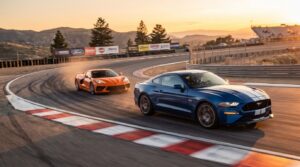 If the performance-coupe market continues gaining attention, manufacturers may have more incentive to develop new models and performance variants. That does not necessarily mean a return to the enormous number of coupes available during previous decades. Instead, the future may involve fewer models with stronger enthusiast identities.
Manufacturers could focus on vehicles with clear personalities rather than trying to appeal to every possible buyer. Limited performance editions, track-focused packages, special colors, upgraded chassis systems, and factory customization could become increasingly important.
This would also create opportunities for the aftermarket. More performance vehicles on the road can generate demand for wheels, tires, suspension components, exhaust systems, body modifications, tuning, and other enthusiast products.
The Importance Of Choosing The Right Performance Car
For consumers, a potential performance-coupe comeback means there may be more choices in the future. But choosing the right car still depends on how it will actually be used.
Someone who drives mostly in urban traffic may value comfort and technology. Another driver may prioritize a manual transmission and rear-wheel-drive balance. A track enthusiast may care more about brakes, suspension, tires, and cooling. A collector may focus on rarity and long-term significance.
Understanding those priorities before buying is important. Our guide on How to Choose the Perfect American Sports Car for Your Budget can help readers evaluate different ownership priorities.
Why 2026 Could Be An Important Year
The performance-car market is not returning to the past exactly as it was. The automotive industry has changed too much for that. SUVs and crossovers remain extremely important, electrification continues to expand, and consumers have more technology available than ever.
But the current market suggests that performance cars have not lost their relevance. SEMA’s research points toward renewed interest in performance-oriented cars, while market data from CLASSIC.COM shows particularly strong activity in newer collector-car generations, including vehicles from the 1990s and 2000s.
That creates an interesting environment for American performance coupes. Manufacturers have an opportunity to combine traditional performance character with modern technology, while enthusiasts have more ways to personalize and enjoy their cars.
The Future Looks Different, But Performance Still Matters
American performance coupes may never return to the volume they enjoyed during the peak muscle-car era, and there is no guarantee that today’s sales trends will continue indefinitely. Black Book’s 2026 collector-market research describes demand as active but increasingly selective, with buyers placing greater emphasis on quality, originality, and desirability.
That distinction is important. A comeback does not necessarily mean every performance coupe will become successful or collectible. It means the enthusiast market remains strong enough to encourage manufacturers, aftermarket companies, and buyers to continue investing in performance vehicles.
The American performance coupe therefore has an opportunity to evolve rather than disappear. The formula may include V8s, turbocharged engines, hybrids, and eventually more electric powertrains. It may also include advanced suspension systems, sophisticated aerodynamics, and increasingly capable driver-focused technology.
What remains consistent is the desire to drive something special.
From the Mustang to the Corvette and other American performance vehicles, the appeal comes from more than transportation. These cars give enthusiasts something to experience, modify, preserve, discuss, and enjoy. If the current market signals continue, 2026 may be remembered as another point in the long story of American performance cars—not as a return to the past, but as the beginning of another evolution.
For more background on the culture surrounding these vehicles, read Why American Sports Cars Continue to Dominate Performance Culture.
For additional industry information, readers can also review the latest research from SEMA and current performance-car testing from MotorTrend.