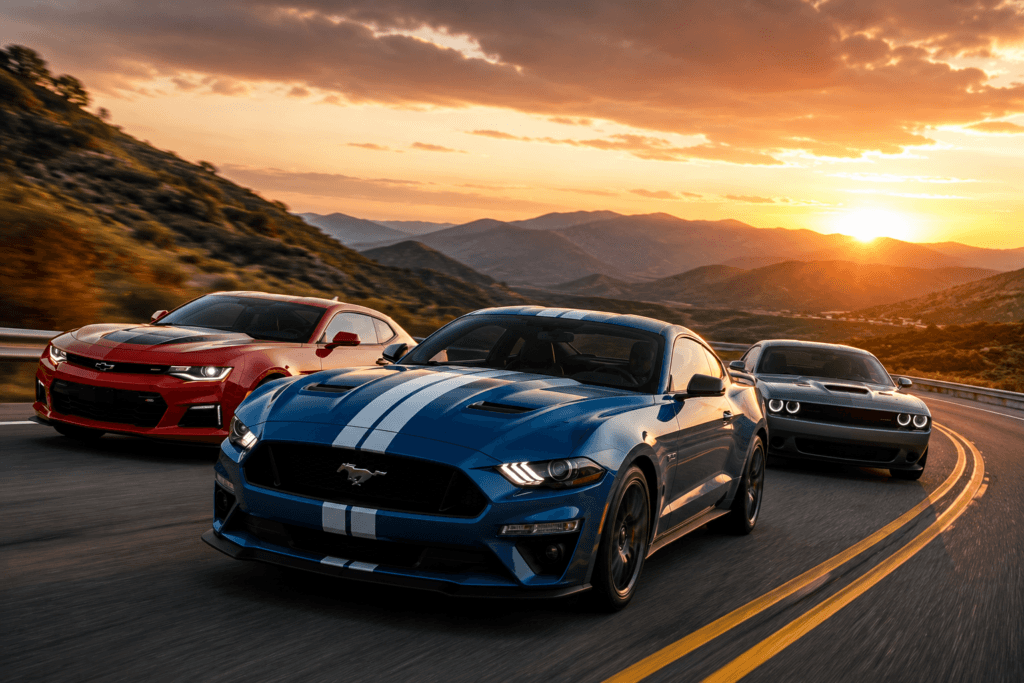
American sports cars have long been celebrated for their performance, speed, and iconic designs. However, in recent years, safety has become just as important as horsepower and styling. Today, modern American sports cars integrate advanced technologies to protect drivers, passengers, and even pedestrians. From ADAS systems to collision prevention, manufacturers are combining performance with state-of-the-art safety features, making the driving experience both thrilling and secure.
While classic muscle cars were built for raw power and style, they lacked modern safety technologies. Today, innovations like adaptive cruise control, lane departure warnings, automatic emergency braking, and blind spot monitoring are becoming standard in many performance cars. These systems not only reduce the risk of accidents but also enhance driver confidence on highways and during spirited drives. For a closer look at American sports car evolution, check out The Evolution of American Muscle: From Classic Legends to Modern Beasts.
Advanced Driver Assistance Systems in Sports Cars
 Advanced Driver Assistance Systems (ADAS) have revolutionized the way drivers interact with their vehicles. These systems include technologies such as forward collision warning, automatic emergency braking, adaptive headlights, and parking assistance. In sports cars, ADAS ensures that even high-performance driving is supplemented with extra safety precautions.
For example, the latest Ford Mustang and Chevrolet Camaro models include lane-keeping assist and pre-collision braking, helping drivers maintain control even in unexpected situations. Dodge’s modern Challenger and Charger trims integrate blind spot monitoring, providing a visual or auditory alert when a vehicle is in the driver’s blind spot. These features are particularly useful for powerful cars with larger body frames where visibility may be limited.
For more technical details, the National Highway Traffic Safety Administration (NHTSA) provides comprehensive information on vehicle safety standards and advanced driver assistance technologies.
Collision Avoidance and Emergency Braking
Collision avoidance systems have become standard in many American sports cars, even in vehicles that emphasize performance. These systems rely on radar, cameras, and sensors to detect potential obstacles, vehicles, and pedestrians. If a collision risk is identified, the system can alert the driver or even automatically apply the brakes. In high-performance sports cars, this technology is calibrated to work seamlessly at higher speeds without reducing the driving experience.
The Chevrolet Corvette, for example, comes equipped with front and rear park assist, forward collision alert, and automatic emergency braking. These features allow drivers to enjoy the car’s full performance potential while benefiting from a protective safety net. Meanwhile, the Ford Mustang Mach 1 combines its racing capabilities with adaptive braking and traction control systems, helping prevent loss of control in spirited driving conditions.
In-Cabin Technology and Real-Time Safety Feedback
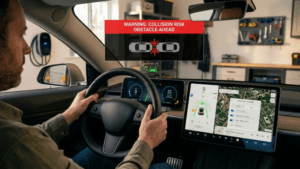 Modern American sports cars provide real-time safety feedback through advanced in-cabin displays. Drivers can see alerts for lane departure, blind spot activity, and traffic sign recognition directly on digital dashboards. This integration ensures that critical safety information is always visible without distracting the driver from the road.
For example, the 2024 Dodge Charger and the Chevrolet Camaro now feature digital clusters that display lane assist warnings, blind spot alerts, and adaptive cruise settings. These dashboards allow the driver to instantly react to potential hazards, combining technology with real-time situational awareness.
Adaptive Lighting and Night Safety
Adaptive lighting technology improves visibility in sports cars, especially during night driving or adverse weather conditions. Modern headlights in American sports cars can pivot based on steering input, illuminating corners and bends in the road. Automatic high beam assist adjusts the intensity of light to prevent blinding other drivers. This technology is critical for high-speed driving, where visibility can mean the difference between an enjoyable drive and a serious accident.
Brands like Ford, Chevrolet, and Dodge are equipping their top trims with full LED adaptive lighting systems, helping drivers maintain awareness at all times. Nighttime performance driving has never been safer, and these systems are a perfect example of how technology is revolutionizing American sports cars.
Driver Monitoring and Fatigue Detection
Another innovative safety feature gaining popularity is driver monitoring systems. These systems use cameras and sensors to track driver attention, eye movement, and head position. If signs of fatigue or distraction are detected, the system can alert the driver or recommend a break. For sports cars, where high-speed driving is common, this feature significantly reduces the risk of accidents caused by inattentiveness.
Several modern Mustangs and Camaros now integrate driver alert technologies as standard, combining classic performance with modern safety enhancements. This ensures drivers remain focused and safe while enjoying the full potential of their vehicles.
The Role of AI and Future Safety Innovations
Artificial intelligence is increasingly shaping sports car safety. AI-driven systems analyze driving patterns, road conditions, and traffic data in real-time, predicting and preventing potential hazards. Predictive emergency braking, AI-assisted traction control, and intelligent collision avoidance systems are becoming more advanced, creating a proactive safety environment rather than a reactive one.
As technology advances, American sports cars are expected to integrate more sophisticated AI features. These innovations will allow drivers to experience high-performance driving with confidence, knowing their car is continuously monitoring and adapting to ensure safety. For readers interested in performance comparisons, see Modern American Sports Cars That Rival European Supercars.
Balancing Performance and Safety
Integrating safety technology into high-performance sports cars requires a careful balance. Manufacturers must ensure that safety systems do not hinder performance or detract from the driving experience. Adaptive suspensions, electronic stability control, and traction management systems are designed to work seamlessly with powerful engines, allowing drivers to enjoy acceleration and handling while staying protected.
For instance, the Ford Mustang Shelby GT500 and the Dodge Challenger SRT Hellcat integrate advanced traction and stability controls that allow the cars to reach their full performance potential without compromising safety. These systems intervene only when necessary, ensuring that drivers maintain control while pushing the limits responsibly.
Conclusion
American sports cars are no longer just about speed, sound, and style—they are also about smart, innovative safety technology. ADAS systems, collision prevention, driver monitoring, adaptive lighting, and AI-driven safety features combine to make modern sports cars safer than ever. These innovations ensure that enthusiasts can enjoy high-performance driving while minimizing risks.
As technology continues to evolve, American sports cars will become even safer, blending thrill and security. For readers interested in exploring the performance culture of American muscle cars, visit Why American Sports Cars Continue to Dominate Performance Culture and for further manufacturer specifications, check out Ford’s official Mustang page, Chevrolet Camaro page, and Dodge Charger page.