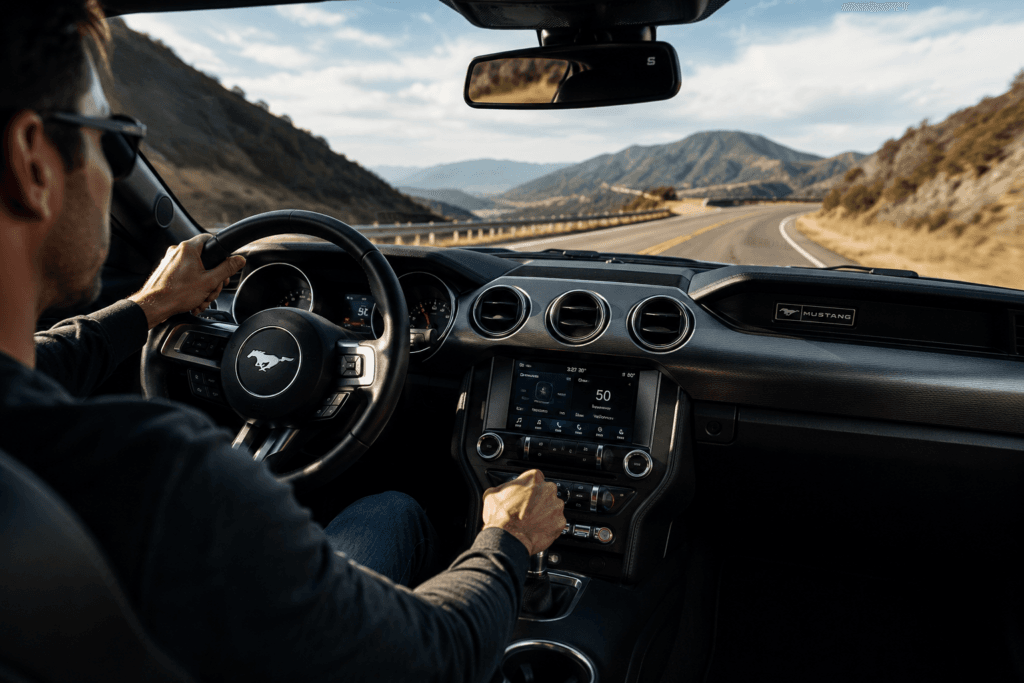
Manual transmissions may no longer dominate the sports car market, but they still hold a special place in American performance culture. For many drivers, a manual gearbox creates a deeper connection between the person, the machine, and the road. In American sports cars, that connection matters because these vehicles are built around emotion, sound, control, and driving personality. Even in an era of sophisticated automatic transmissions, manuals continue to offer unique driving satisfaction.
Modern automatic transmissions, including dual-clutch and paddle-shift systems, are faster than most human drivers. They provide rapid gear changes, improve acceleration, and offer convenience, especially in urban traffic. Yet, the appeal of manual transmissions goes beyond mere speed. Enthusiasts choose manual because it engages them, allowing them to time gear shifts, modulate the clutch, and feel the car respond. A manual car offers a level of involvement that no automatic, no matter how advanced, can fully replicate. For technical comparisons of modern sports cars, check out Car and Driver and MotorTrend.
The history of American sports cars is deeply intertwined with manual transmissions. From classic Mustangs and Camaros of the 1960s to modern performance-oriented coupes, the manual gearbox helped define the driving experience. Muscle cars built their reputations not only on power and design but also on the tactile pleasure of shifting gears. Manual transmissions allowed drivers to harness the engine’s potential and created a rhythm that defined the muscle car culture. Today, that tradition still attracts dedicated fans who appreciate the mechanical purity of manual driving.
The resurgence of interest in manuals is partly cultural. Manual cars appear in films, TV shows, and racing events, reinforcing their status as symbols of driver skill and involvement. For enthusiasts, driving a manual-equipped muscle car is as much about heritage as performance. Whether it’s a weekend drive, a track day, or a spirited cruise along scenic highways, manuals offer a unique satisfaction that automated systems cannot replicate. The act of engaging the clutch, feeling gear changes, and coordinating engine speed transforms driving from a routine task into an art form.
Why Manual Driving Feels Special
 A manual transmission forces the driver to actively participate in controlling the car. Instead of relying on an automatic system, the driver selects the gear, modulates the clutch, and masters the rhythm of acceleration and deceleration. This involvement creates a sensory and emotional experience. Each shift becomes a conscious decision, providing a sense of control over the vehicle. In American sports cars, this connection is heightened by the engine sound, the feedback from the chassis, and the thrill of raw power. Manual driving demands attention, enhances awareness, and rewards skillful operation. For more details about driving engagement, see NHTSA vehicle safety and performance guidance.
The mechanical engagement of a manual transmission is particularly impactful in cars with powerful engines. A V8 Mustang, a Camaro SS, or a Corvette with a manual gearbox feels dramatically different from the same car equipped with an automatic transmission. The instant torque and throttle response in a manual car allow the driver to manipulate the engine’s power delivery. Downshifting before a corner or smoothly upshifting on a straightaway adds depth to the driving experience that is difficult to match with an automatic.
Manual Transmission and American Muscle Identity
American sports cars are about identity. The Mustang, Camaro, Challenger, and Corvette were built to deliver excitement, performance, and style. Manual transmissions became part of that identity because they embodied control and driver skill. The physical act of shifting gears reflects the personality of these cars, reinforcing the brand’s image as performance-focused and driver-oriented. Driving a manual-equipped muscle car is an expression of skill and appreciation for the car’s engineering. It connects drivers to the history and culture of American muscle cars.
Performance Considerations
It’s true that automatic transmissions can be faster in acceleration due to computer-controlled precision and rapid gear changes. Dual-clutch and paddle-shift systems allow near-instantaneous shifts, giving automatics an edge on lap times. However, manuals shine in driver engagement and experience. The feedback of gear changes, the feel of the clutch, and the timing of each shift add enjoyment that automatics cannot replicate. Many drivers argue that the connection to the car and the sense of control outweigh a fraction of a second in acceleration times. For a comparison of modern American sports cars, see Modern American Sports Cars That Rival European Supercars.
Collector Appeal
Manual-equipped American sports cars often hold higher appeal among collectors. As fewer vehicles are offered with manual gearboxes, enthusiasts and collectors increasingly seek these options. A clean, well-maintained manual Mustang, Camaro, or Corvette may command more attention in the resale or collector market. Rarity and engagement contribute to desirability. Manuals are not only a driving preference but a statement of authenticity, reflecting the car’s heritage and the driver’s appreciation for tradition.
Learning and Driving Skills
Driving a manual car develops skills that enhance overall vehicle control. It teaches coordination between clutch, brake, throttle, and steering. Drivers gain a sense of timing, anticipation, and vehicle awareness. In American sports cars, these skills improve the enjoyment of spirited drives on twisty roads or open highways. A manual-equipped car transforms a commute or weekend drive into an interactive and immersive experience, offering control, rhythm, and satisfaction that automatics rarely provide.
The Future of Manual Transmissions
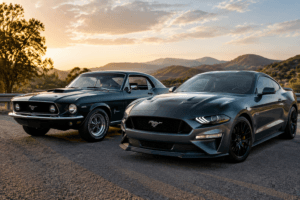 The future of manual transmissions in American sports cars is uncertain. Electric vehicles and advanced automatic systems reduce the need for traditional gearboxes. Yet manuals persist due to their cultural significance, driving experience, and enthusiast demand. They may become less common, but rarity can make them more valuable. The manual transmission represents driver involvement, mechanical purity, and heritage. Enthusiasts will continue to appreciate manual-equipped cars as symbols of American muscle and performance tradition.
Even as performance technology evolves, manual gearboxes remain relevant. They provide sensory feedback, engagement, and a tangible connection to driving. For American sports cars, manuals preserve the essence of performance culture. They ensure that driving is not just about speed but about control, interaction, and passion. For further reference on safety and technical details, check NHTSA.
Whether learning on a new Mustang, enjoying a classic Camaro, or experiencing a Corvette, manual transmissions provide a driving experience that is increasingly rare in modern vehicles. Their significance extends beyond practicality—they embody the spirit of American sports cars, blending tradition with performance and culture. For enthusiasts wanting to explore the evolution of muscle cars, see The Evolution of American Muscle: From Classic Legends to Modern Beasts.