
American sports cars have long held a powerful position in automotive performance culture. From classic muscle cars to modern high-performance machines, these vehicles represent power, freedom, and innovation. While sports cars from Europe and Asia often focus on precision engineering and refinement, American sports cars continue to stand out through bold design, raw performance, and a driving experience that prioritizes excitement.
The Roots of American Sports Car Culture
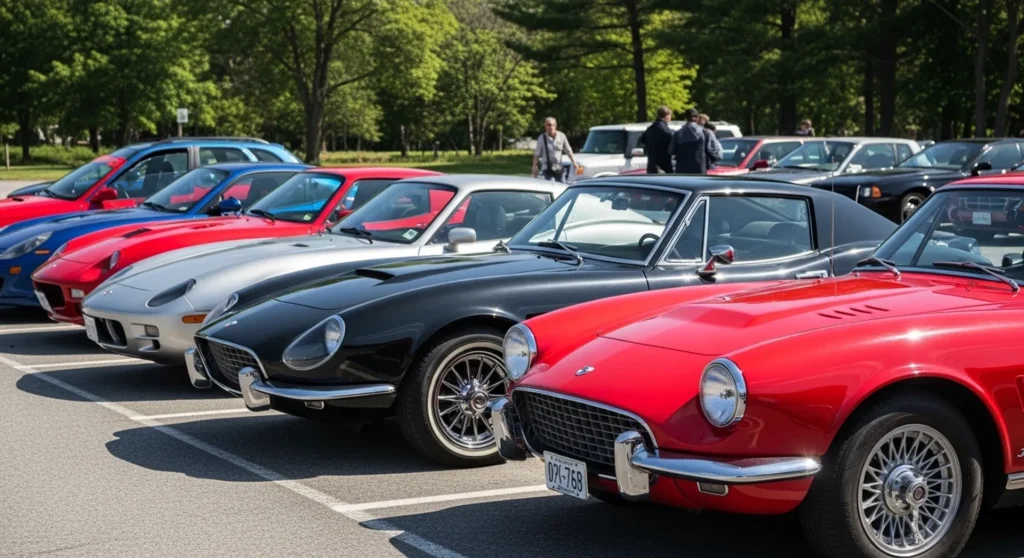
The history of American sports cars is deeply connected to post-war automotive growth and a strong culture of individualism. During the mid-20th century, manufacturers began producing high-performance vehicles that emphasized straight-line speed and aggressive styling. These cars were built for wide open roads and reflected a uniquely American approach to performance.
As highways expanded and car ownership increased, sports cars became symbols of independence and personal expression.
Power as a Defining Characteristic
One of the defining traits of American sports cars is their focus on power. Large displacement engines, strong torque output, and simple mechanical layouts have long been preferred over smaller, high-revving designs.
This emphasis on power creates a driving experience that feels immediate and engaging. Acceleration is strong, engine sound is prominent, and the connection between driver and machine is unmistakable.
Design That Makes a Statement
American sports cars are designed to be noticed. Bold body lines, wide stances, and aggressive front ends give these vehicles a strong road presence. Design choices often prioritize visual impact as much as aerodynamics.
Unlike understated styling philosophies, American sports car design embraces confidence and personality. Each model is meant to stand out, whether parked or in motion.
Accessibility and Performance Value
Another reason American sports cars remain popular is their accessibility. Compared to many imported performance vehicles, American sports cars often deliver high horsepower at a more attainable price point.
This balance allows enthusiasts to experience serious performance without entering the ultra-luxury segment. As a result, performance culture remains inclusive rather than exclusive.
Evolution Through Technology
Modern American sports cars have evolved significantly through advances in technology. Today’s models feature improved suspension systems, advanced traction control, performance driving modes, and refined interiors.
These innovations allow drivers to enjoy raw power while maintaining safety and control. Technology enhances the driving experience without removing the character that defines American performance vehicles.
Track Capability and Daily Usability
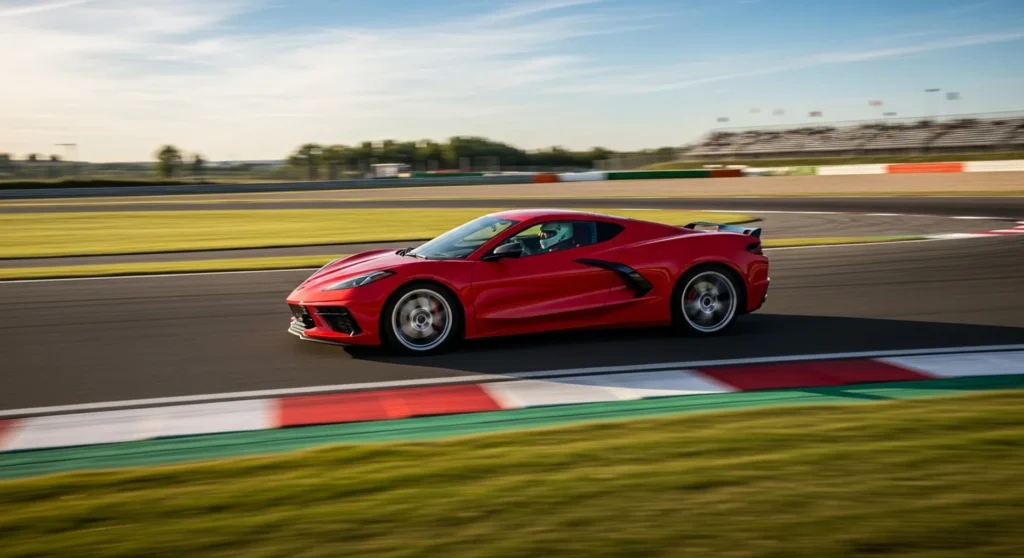
Unlike earlier generations, many modern American sports cars are designed to perform both on the track and on public roads. Adjustable suspension systems, selectable drive modes, and aerodynamic enhancements allow vehicles to adapt to different driving environments.
This versatility makes them appealing to drivers who want excitement without sacrificing comfort or practicality.
The Role of Motorsports Influence
Motorsports have played a major role in shaping American sports cars. Racing programs provide valuable data that influences engine development, chassis tuning, and aerodynamics.
Lessons learned on the track often find their way into production models, reinforcing the connection between racing heritage and street performance.
Community and Enthusiast Culture
American sports cars thrive within a strong enthusiast community. Owners participate in car meets, track days, restoration projects, and online forums. This shared passion strengthens the culture surrounding these vehicles.
Customization is also a key element. From performance upgrades to visual modifications, owners often personalize their cars to reflect individual taste and driving style.
Classic Models and Lasting Legacy
Classic American sports cars continue to influence modern designs and maintain strong collector interest. These vehicles represent important moments in automotive history and serve as inspiration for new generations of enthusiasts.
The lasting appeal of classic models highlights the emotional connection many drivers have with American performance cars.
Modern Engineering Meets Tradition
Today’s American sports cars blend traditional performance values with modern engineering standards. Lightweight materials, improved fuel efficiency, and advanced safety systems coexist with powerful engines and aggressive styling.
This balance allows manufacturers to preserve heritage while meeting modern expectations.
Global Recognition and Respect
American sports cars now receive global recognition as serious performance machines. Improved handling, reliability, and build quality have elevated their reputation beyond domestic markets.
International enthusiasts increasingly acknowledge the unique appeal of American performance vehicles.
Why Enthusiasts Remain Loyal
Loyalty to American sports cars often stems from the emotional driving experience they provide. Sound, acceleration, and road presence combine to create a feeling that resonates with drivers.
This emotional connection is difficult to replicate and plays a major role in long-term enthusiasm.
The Future of American Sports Cars
The future of American sports cars will likely include electrification, hybrid technology, and further efficiency improvements. However, manufacturers continue to emphasize performance and driver engagement.
Even as technology evolves, the core identity of American sports cars remains focused on excitement and power.
Final Thoughts
American sports cars continue to dominate performance culture because they deliver a unique blend of power, design, accessibility, and emotional driving experience. Their ability to evolve while maintaining a strong identity ensures they remain relevant in an ever-changing automotive landscape.
For enthusiasts and drivers alike, American sports cars represent more than transportation—they represent a lasting performance tradition.